Why Written Music Still Matters for Choirs
Learning by ear works, and so does reading music. Six reasons choirs gain from tonic sol-fa and staff notation, and why the two belong together.
There is a question I have heard in different forms during choir rehearsals.
“Must we learn all these notes? Can't someone just sing the part for us to follow?”
Sometimes, the objection concerns tonic sol-fa. Other times, it is about staff notation or the difficulty of reading music.
I understand the frustration. Learning to interpret musical symbols can feel demanding, especially when someone can demonstrate a passage in seconds.
And to be fair, many excellent musicians have developed their abilities primarily through listening and imitation.
But I think we make a mistake when we conclude that because music can be learnt by ear, learning to read it is unnecessary.
Written music offers possibilities that listening alone may not easily provide.
Here are six reasons it still deserves a place in our choirs.
It helps preserve music
Imagine a choir learning a beautiful composition from its music director.
Years later, the director leaves. Experienced singers relocate, new members join, and details of the arrangement gradually change.
Oral traditions can preserve music remarkably well, but depending entirely on memory creates certain vulnerabilities.
Written notation provides a reference that future musicians can study and interpret.
This helps explain why compositions written centuries ago remain available for performance today.
Of course, notation cannot capture every aspect of a performance. Interpretation and musical traditions still matter.
Nevertheless, it preserves essential musical information.
I sometimes wonder how many beautiful compositions by Nigerian church musicians have disappeared simply because nobody documented them.
It reduces confusion during rehearsals
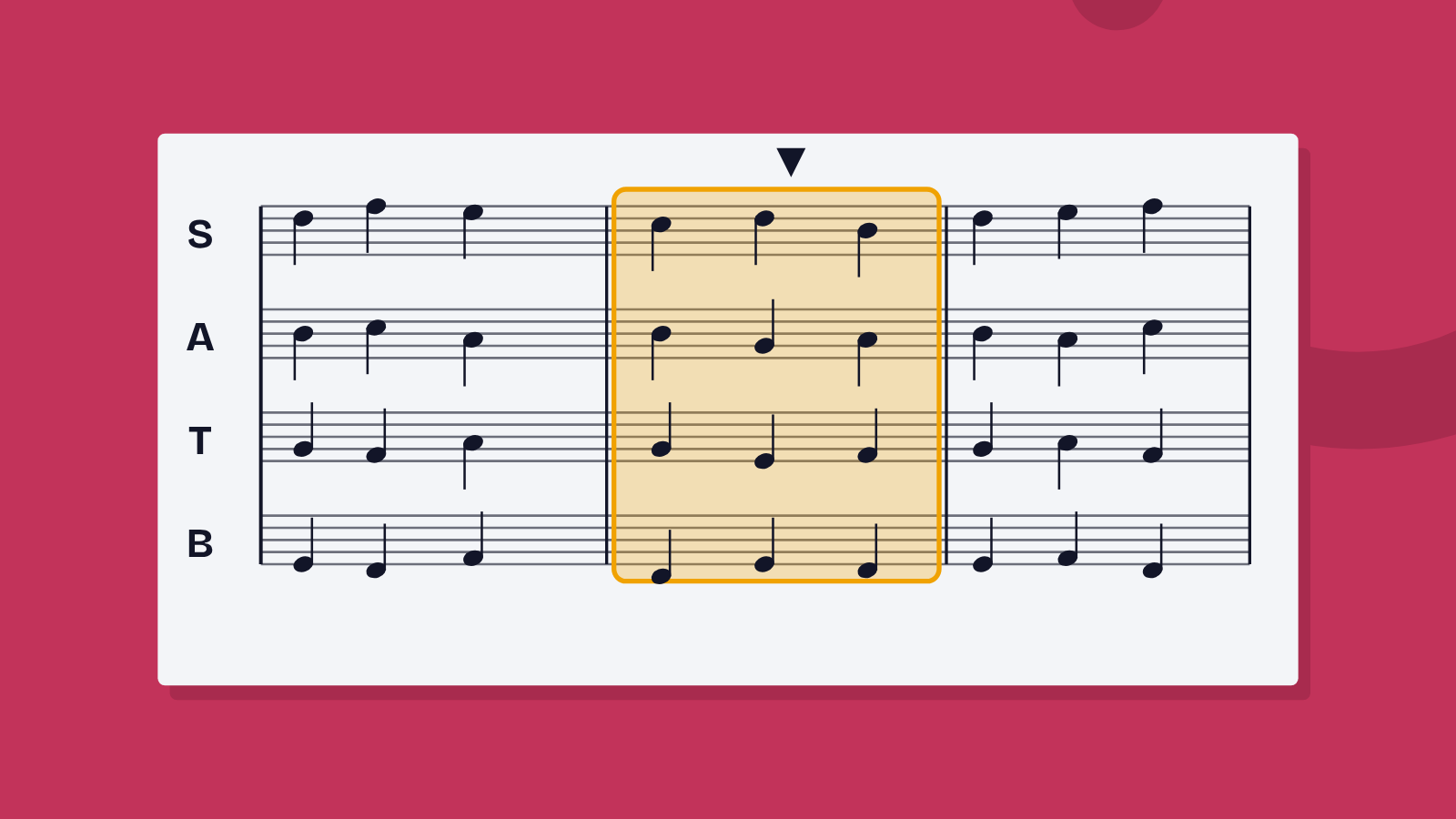
Consider a choir learning a four-part arrangement entirely by ear.
Everything seems straightforward until the sections begin singing together.
A note sounds different from what someone remembers. One singer insists a passage belongs to the tenor section. Another believes it belongs to the alto.
The director repeats the passage several times before resolving the disagreement.
A written score can reduce such uncertainty.
It identifies the notes assigned to each voice, their duration, entrances, rests and other musical instructions.
This does not mean every score is perfect or every singer will interpret it correctly.
But it provides a common reference.
Rehearsals become more productive when everyone understands what they are trying to perform.
It encourages musical discipline
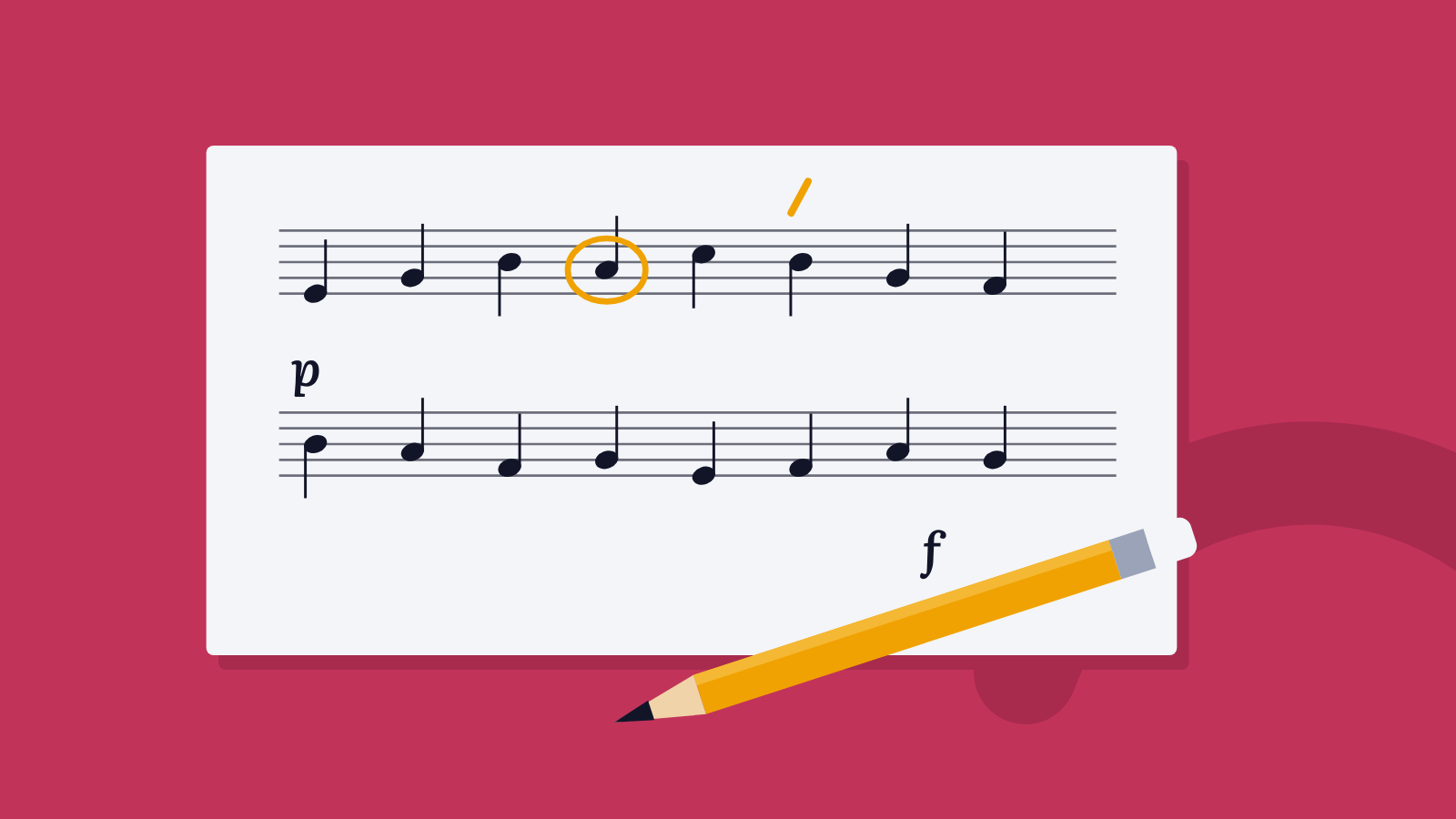
Learning to read music requires patience.
Initially, a singer may struggle with pitch recognition, rhythmic patterns or connecting written symbols with sounds.
But consistent practice encourages attention to detail.
How long should this note last? Is the rhythm accurate? Where does the phrase begin?
These questions promote deliberate learning.
However, I would not argue that every musician who reads music is disciplined, or that those who learn by ear lack discipline.
Discipline is demonstrated through consistent habits, preparation and effort.
What notation provides is a structured opportunity to develop those habits through specific exercises and measurable progress.
It deepens musical understanding and expression
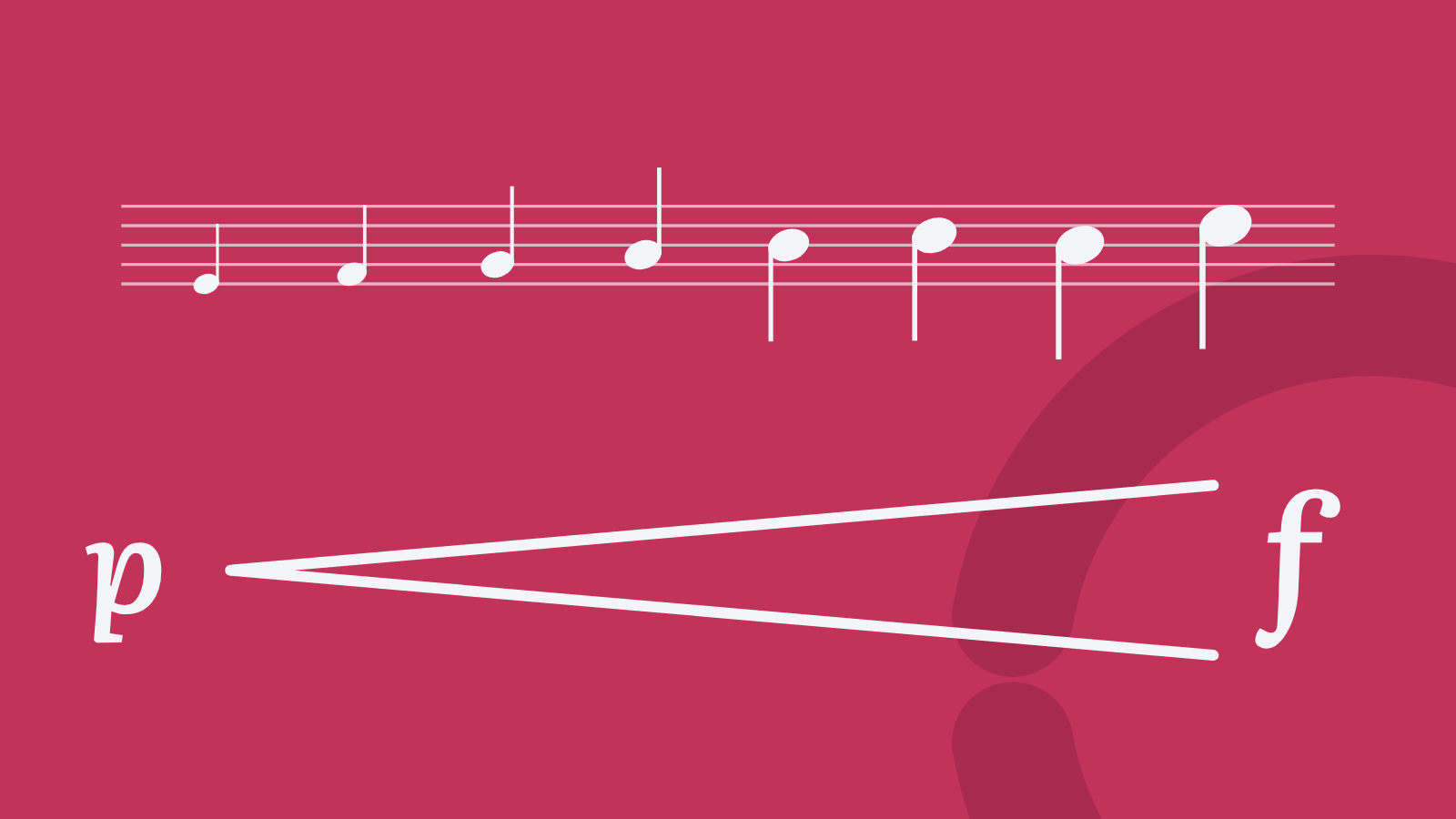
Music communicates emotions in ways that words alone sometimes cannot.
A change in harmony can introduce tension. A quieter passage can create intimacy. A sudden increase in intensity can transform a phrase.
These expressive possibilities are not exclusive to written music.
Musicians who learn by ear can also create deeply moving performances.
However, notation allows us to examine some of the decisions behind a composition.
Why did the composer introduce that chord?
How does the melody interact with the harmony?
Why does the dynamic change at that particular point?
For choirs, these questions move rehearsal beyond reproducing notes.
They encourage singers to understand how musical elements contribute to the meaning of a piece.
And understanding often leads to more thoughtful interpretation.
It builds confidence and independence

One demanding experience for a developing musician is encountering an unfamiliar composition.
Without notation skills, the musician may depend on someone else to demonstrate each passage.
A singer who reads music has another option.
They can study the score, identify rhythmic patterns and begin learning their part independently.
This preparation can improve confidence.
Not because reading music eliminates performance anxiety, but because familiarity reduces some of the uncertainty associated with performing.
Still, sight-reading should not be our only measure of professionalism.
An accomplished improviser may struggle with notation, while a proficient sight-reader may lack improvisational skills.
Both have something to learn.
Music literacy expands a musician's independence rather than determining their entire worth.
It makes learning easier to examine and improve
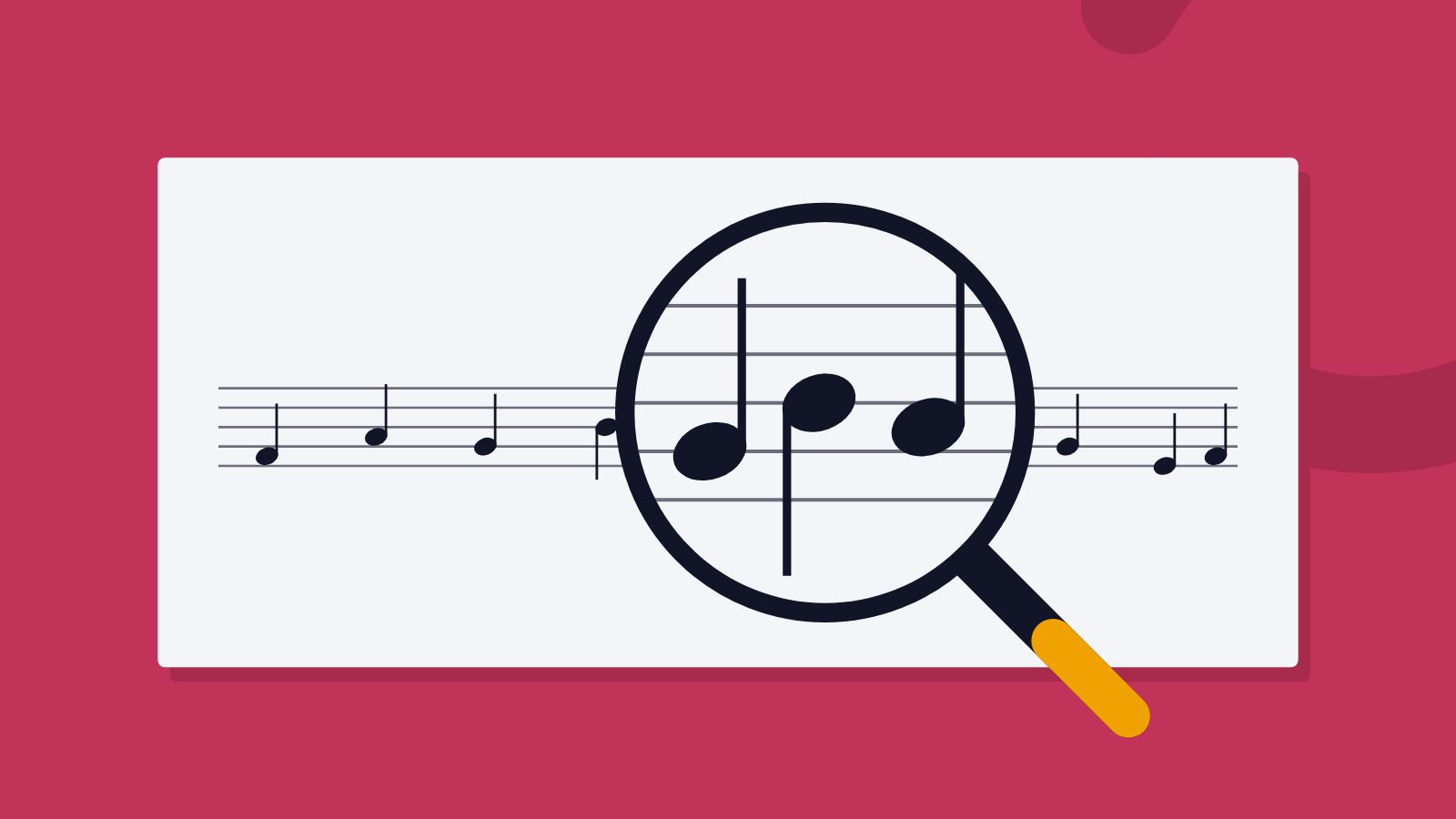
There is a difference between knowing how a song sounds and understanding how it is constructed.
Written music allows learners to examine recurring rhythms, chord progressions, melodic phrases and interactions between voices.
A choir director can isolate a difficult passage and explain precisely what needs correction.
A student can identify mistakes, practise specific sections and measure improvement.
This is especially valuable in music education.
A singer who reproduces what a teacher demonstrates may perform correctly.
But someone who understands the underlying musical principles may approach unfamiliar passages with greater independence.
That distinction matters.
Reading music and learning by ear should complement each other
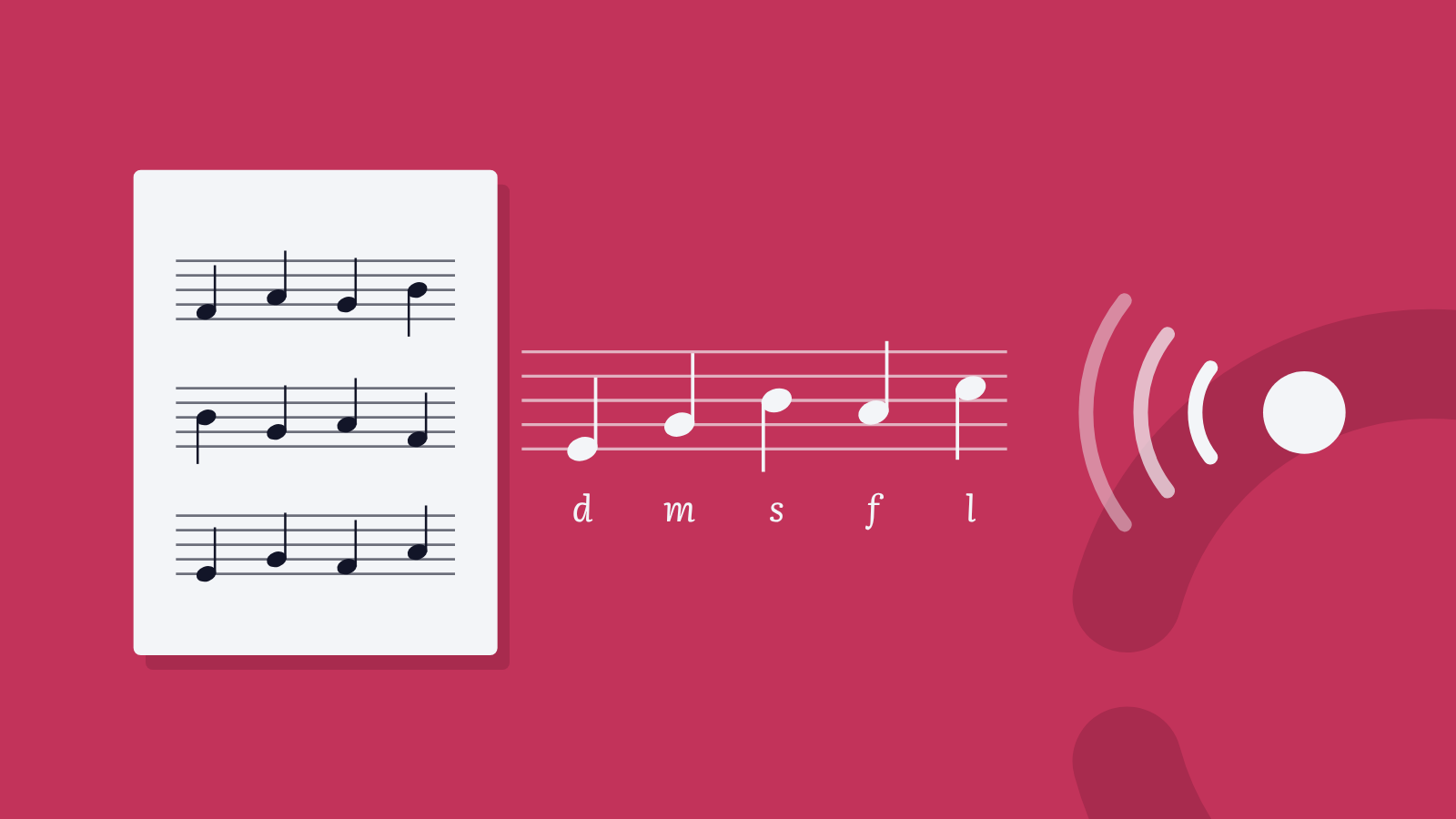
I do not believe choirs should abandon learning by ear.
Listening develops musical memory, sensitivity and the ability to respond to other performers.
Neither should we dismiss musicians whose abilities developed outside formal notation.
The problem begins when we treat these approaches as though one must exclude the other.
A choir can develop strong listening skills while learning to read music.
A singer can pursue technical accuracy without sacrificing expression.
And a director can introduce notation without turning rehearsals into joyless exercises.
Perhaps our goal should not simply be to produce choristers who recognise symbols on a page.
It should be to develop musicians who can hear, understand, interpret and perform music with increasing independence.
The question is not whether we can sing without reading music. Clearly, we can.
The more important question is what musical possibilities we may be denying ourselves when we decide that learning to read it is unnecessary.